
For any graduate of Rajshahi University, the city of Rajshahi is more than just a place—it’s a collection of cherished memories. From the bustling energy of the campus to the quiet banks of the Padma, every corner holds a story. Perhaps no place holds more of our collective history than the Varendra Research Museum, a true cornerstone of Rajshahi’s cultural heritage.
As the oldest museum in Bangladesh, this institution is a proud landmark, not just for the city, but for the entire nation. For alumni now living in Canada, it remains a powerful link to our roots. This guide is a journey back, a chance to rediscover its significant collections and plan your next visit when you’re home.
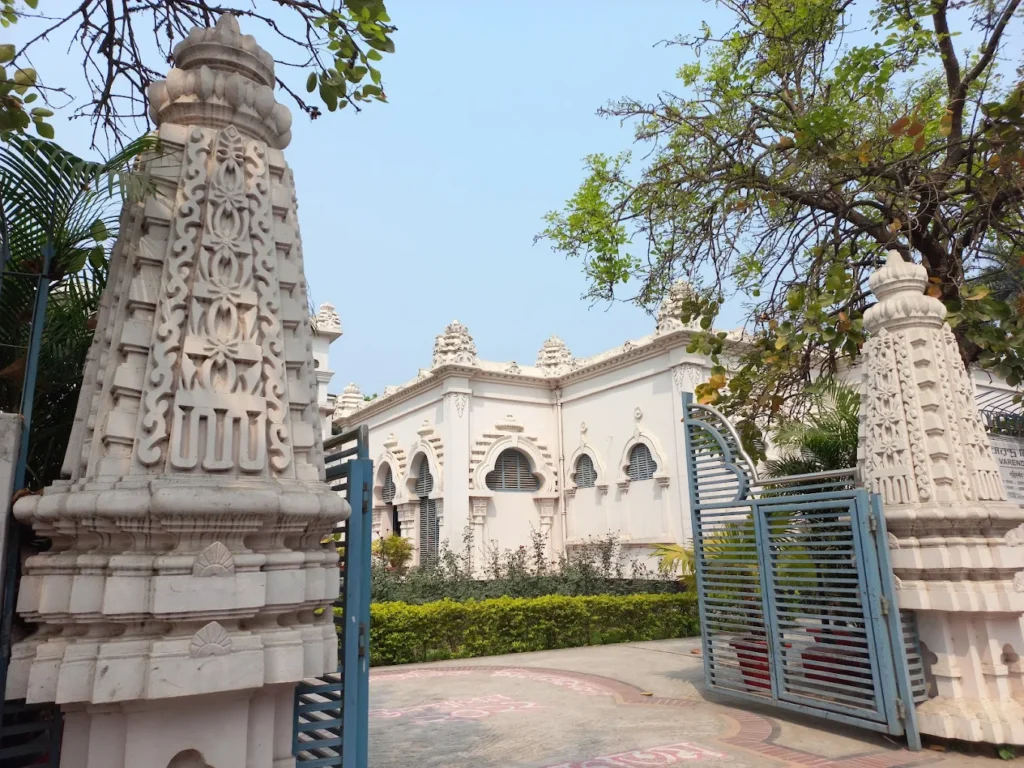
A Legacy of Preservation: The Museum’s Rich History
The story of the Varendra Research Museum is one of passion and foresight. It was established on April 27, 1910, by a trio of visionaries: Kumar Sarat Kumar Ray of the Dighapatia royal family, the historian Akshay Kumar Maitreya, and the archaeologist Ramaprasad Chanda.
Their mission was to collect and preserve the scattered archaeological and historical artifacts of the Varendra region (North Bengal). It began as the “Varendra Research Society” and opened its museum building in 1916. In 1964, this invaluable institution was handed over to Rajshahi University, further cementing its role as a center for academic excellence and public education—a place many of us have walked through as students.
What to See: The Varendra Research Museum’s Key Collections
Though modest in size, the museum’s collection is unparalleled in its historical scope, particularly in its sculptures and epigraphs.
The Sculpture Galleries: A Journey Through Time
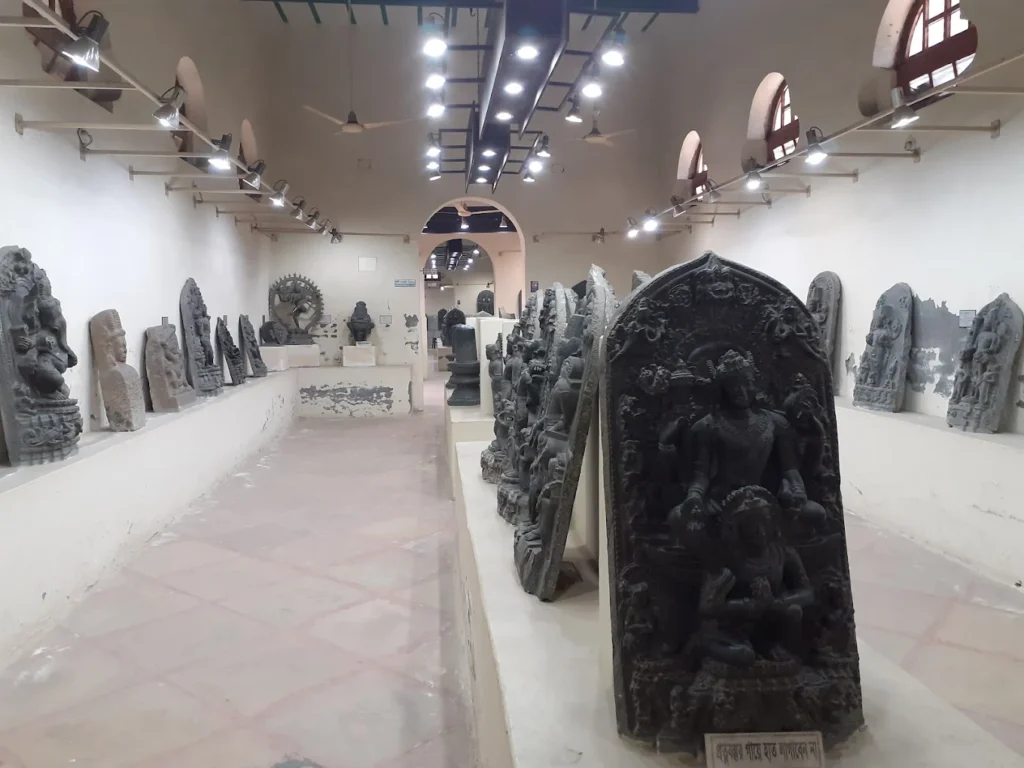
The museum’s main draw is its breathtaking collection of stone and bronze sculptures, primarily from the Pala and Sena dynasties (8th-12th centuries).
- Hindu Sculptures: Marvel at the intricate carvings of Vishnu, Surya (the Sun God), and Chamunda. The detail on these black basalt stone statues is a testament to the masterful artistry of the Varendra region.
- Buddhist & Jain Sculptures: The collection includes rare statues of Buddha, Bodhisattvas, and Jain Tirthankaras, telling the story of the diverse religious history of ancient Bengal.
Epigraphy and Manuscripts: The Written Word
For history buffs, the gallery of inscriptions is a highlight. It houses stone and copper-plate inscriptions in Sanskrit and early Bengali script, which are crucial primary sources for understanding the region’s royal lineages and land grants. The museum also preserves a valuable collection of ancient manuscripts written on palm leaves and handmade paper.
Terracotta, Pottery, and the Indus Valley
A dedicated gallery showcases rare artifacts from the Indus Valley Civilization, including pottery and seals, providing a tangible link to one of the world’s oldest urban cultures. This is complemented by a vast collection of local terracotta art and pottery, revealing the folk traditions of Bengal.
Other Collections
- Numismatics: A fascinating collection of ancient and medieval coins, including punch-marked coins, Gupta gold coins, and coins from the Sultanate and Mughal periods.
- Tribal Culture: A section dedicated to the cultural artifacts of the Santal and Oraon tribes, offering a glimpse into the diverse ethnic fabric of North Bengal.
Planning Your Visit: A Practical Guide
Whether you’re visiting Rajshahi after many years or guiding family from Canada, here’s what you need to know.
Location
The museum is centrally located in Hatem Khan, a very short distance from the Rajshahi University campus, Rajshahi College, and the city’s main ‘Zero Point’. It is easily accessible by rickshaw or auto-rickshaw from anywhere in the city.
Timings and Tickets (Please Verify)
It’s always best to check the latest schedule, as timings can change.
- Typical Hours: The museum is generally open from 10:00 AM to 5:00 PM, Saturday to Wednesday. It often remains closed on Thursdays, Fridays, and public holidays.
- Ticket Prices: There are nominal entry fees, which differ for Bangladeshi nationals, citizens of SAARC countries, and other foreign nationals.
(Note: We recommend checking the official Rajshahi University website or calling the museum office for the most current visiting hours and ticket prices before your visit.)
Tips for Visitors
- Photography: Photography inside the galleries is often restricted or requires a special ticket. Be sure to ask about the rules at the entrance.
- Time: Plan for at least one to two hours to explore the collections properly.
- Combine Your Trip: You can easily combine your museum visit with a walk through the Rajshahi University campus or a trip to the Padma River bank (T-Badh) for a perfect nostalgic afternoon.
A Bridge to Our Past
The Varendra Research Museum is more than just a building with artifacts; it’s a keeper of our identity. For Rajshahi University alumni, it’s a piece of our campus, a proud symbol of our heritage, and a silent witness to our student days.
Are you a CAARU member with fond memories of the Varendra Museum? We’d love to hear your story. Share it with us on the official CAARU Facebook Page!
And if you’re an RU graduate in Canada who hasn’t joined us yet, Become a CAARU Member Today to reconnect with your roots and a vibrant community of fellow alumni.
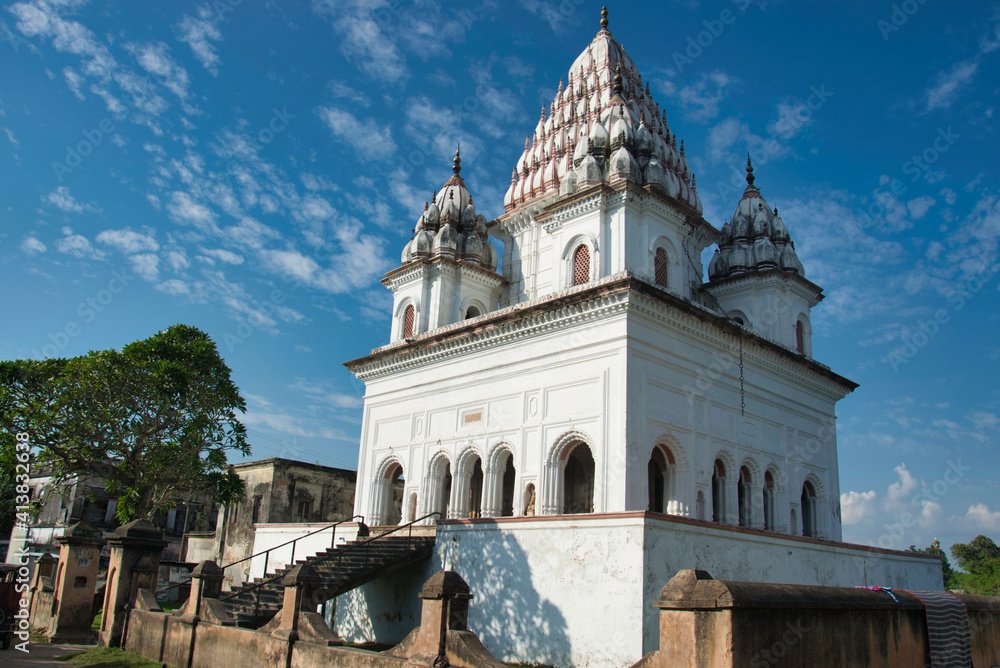
Pingback: Puthia Temple Complex: A Visitor’s Guide to Bangladesh’s Gems – CAARU
Pingback: Best Kacha Golla in Rajshahi: A Guide to History & Shops - CAARU
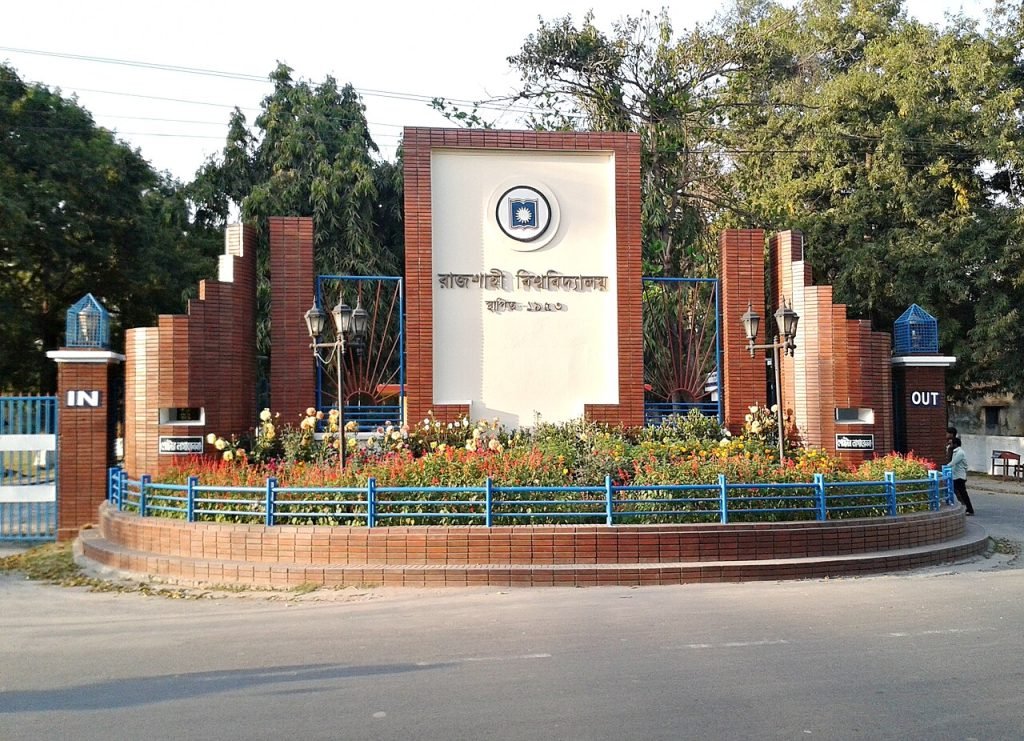
Pingback: 10 Iconic Landmarks of Rajshahi University (RU) We Love - CAARU