The Story of Somapura Mahavihara: A UNESCO World Heritage Site Near You
For those of us from North Bengal, the red earth and ancient bricks of our region tell a story that spans millennia. While Rajshahi University was our modern center of learning, just a few hours away lies an ancient seat of knowledge that once attracted scholars from across Asia.
This is the story of Somapura Mahavihara, known locally as Paharpur. Located in Naogaon, it is not just a ruin; it is a UNESCO World Heritage Site and a testament to the golden age of Bengal. For RU alumni now in Canada, revisiting the history of Somapura Mahavihara is a journey back to a time when our homeland was the intellectual capital of the East.
The Grandeur of the Pala Empire
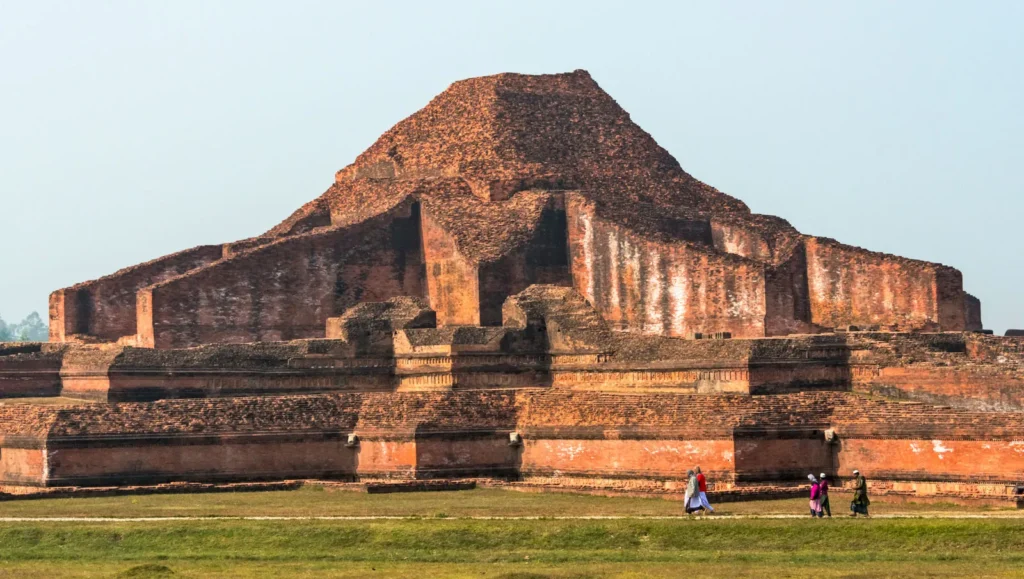
Built in the 8th century AD by King Dharmapala of the Pala dynasty, Somapura Mahavihara was one of the largest and most renowned Buddhist monasteries (viharas) south of the Himalayas.
For over 400 years, it thrived as a center for learning, culture, and theology. Monks and scholars from as far as China, Tibet, and Southeast Asia traveled here to study. It wasn’t just a religious site; it was a residential university, much like the Nalanda Mahavihara in India, with which it shared close intellectual ties.
An Architectural Masterpiece
What makes Somapura Mahavihara truly unique is its architecture. It introduced a distinct style that influenced Buddhist architecture as far away as Myanmar and Java (Indonesia).
The Great Stupa
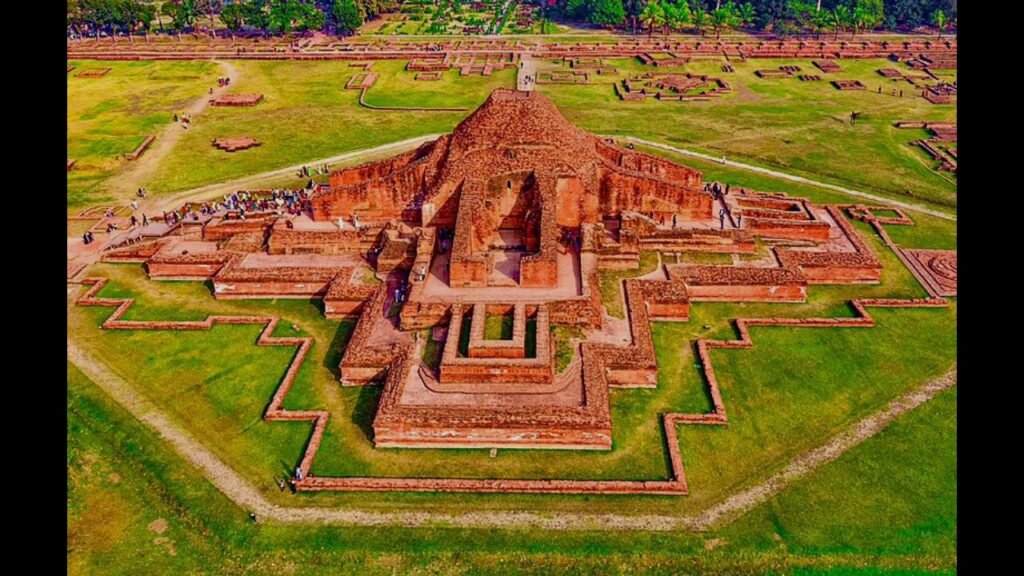
The complex is centered around a colossal, cruciform (cross-shaped) temple that rises from the flat landscape like a pyramid. This central shrine, with its terraced structure, is an engineering marvel of ancient Bengal.
The Monastic Cells
Surrounding the central temple is a massive quadrangular courtyard. The perimeter walls house 177 individual monastic cells where monks once lived, meditated, and studied. Standing in the vast, open courtyard today, you can almost hear the hum of ancient chants.
Terracotta Treasures
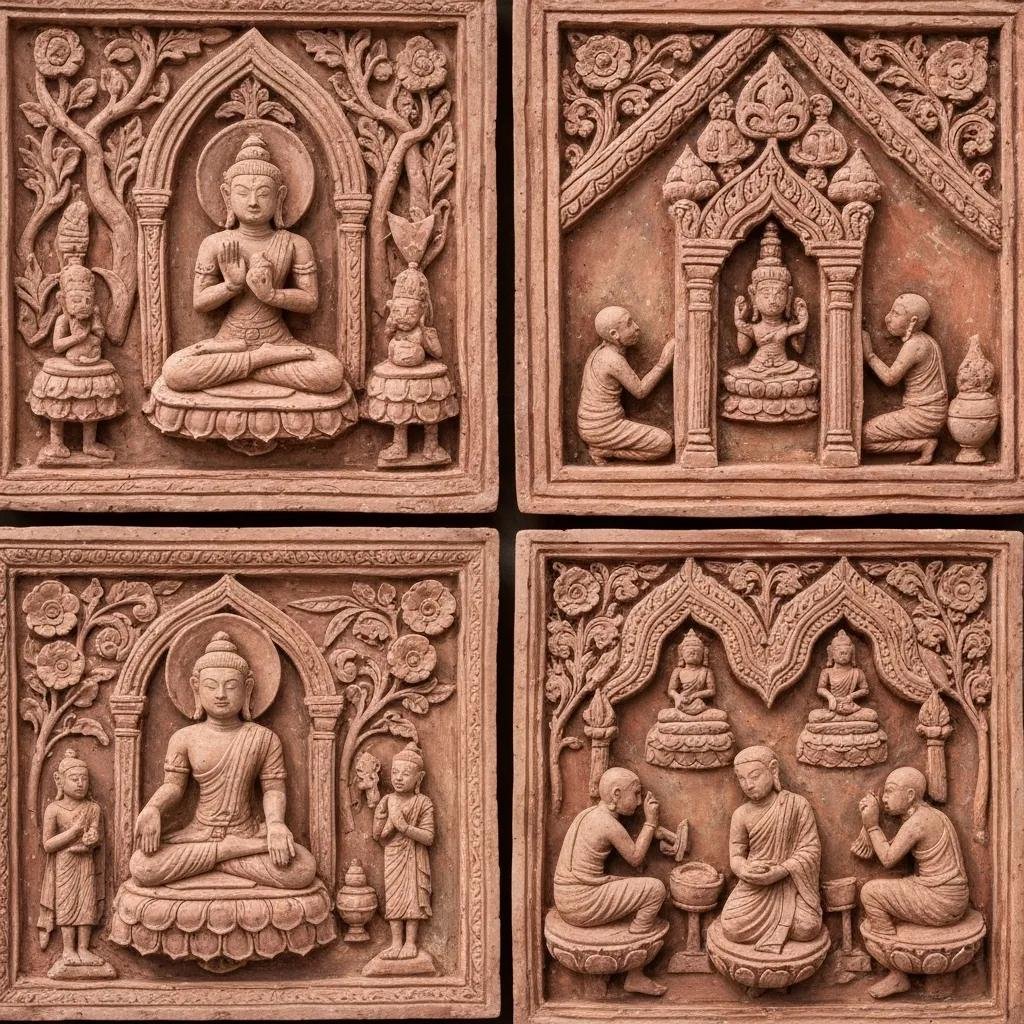
The walls of the central temple are adorned with thousands of terracotta plaques. These aren’t just decorative; they are a documentation of life in ancient Bengal. They depict everything from religious deities (Buddhist and Hindu) to everyday scenes—farmers, musicians, animals, and mythical creatures. It is art that speaks the language of the common people.
Why It Matters to the World (and Us)
In 1985, UNESCO designated Somapura Mahavihara as a World Heritage Site, recognizing its outstanding universal value. It stands as evidence of the rise of Mahayana Buddhism in Bengal and its intellectual dominance in the region.
For us, the alumni of Rajshahi University, it is a point of immense pride. It reminds us that the pursuit of knowledge is deeply rooted in the soil of our ancestors.
Planning Your Visit: A Nostalgic Trip
If you are planning a trip back to Bangladesh, a visit to Paharpur is a must. It is an excellent day trip from Rajshahi or Bogra.
- Location: Paharpur, Badalgachhi Upazila, Naogaon District.
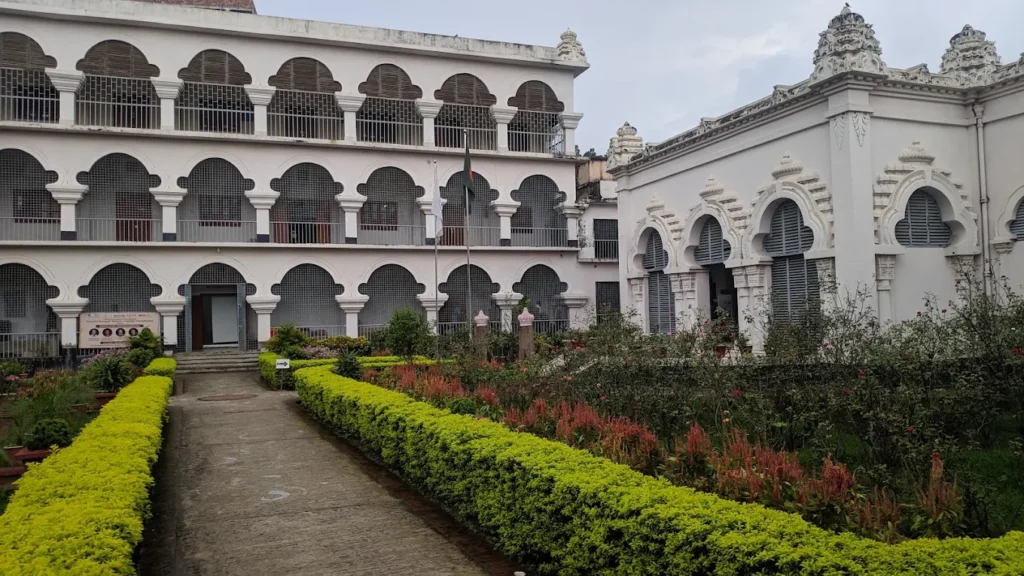
- The Museum: Don’t miss the on-site museum. It houses a rich collection of statues, coins, inscriptions, and many of the original terracotta plaques found during excavations.
- Best Time to Go: Winter (November to February) is ideal for exploring the ruins comfortably.
Preserving Our Heritage
As we build our lives in Canada, sharing these stories with the next generation is vital. Somapura Mahavihara isn’t just a tourist spot; it’s a symbol of our rich, scholarly, and artistic heritage.
Have you visited Paharpur with your family? What was your impression of the Great Stupa? Share your travel memories with the CAARU community on our official Facebook page!
And if you are looking to connect with fellow history buffs and RU alumni in Canada, join the CAARU family today. Let’s keep our history alive, together.
FAQ:
A: Yes, there is an archaeological museum on-site maintained by the Department of Archaeology, displaying findings from the excavation.
Q: Where is Somapura Mahavihara located?
A: Somapura Mahavihara is located in Paharpur, within the Badalgachhi Upazila of Naogaon District, Bangladesh.
Q: Who built Somapura Mahavihara?
A: It was built by the second Pala king, Dharmapala, in the late 8th or early 9th century AD.
Q: Why is Somapura Mahavihara famous?
A: It is famous for being one of the largest Buddhist monasteries south of the Himalayas and a UNESCO World Heritage Site, known for its unique cruciform architecture and terracotta art.
Q: Is there a museum at Paharpur?