Mahasthangarh: Uncovering the Ancient Capital of Pundranagara
Standing on the banks of the Karatoya River in Bogra, Mahasthangarh is not just a ruin; it is the cradle of our civilization. As the oldest known city in Bangladesh, its red brick walls whisper stories that date back to the 3rd century BC.
For Rajshahi University alumni, Mahasthangarh was likely a familiar excursion—a place where history textbooks came to life. Uncovering the ancient capital of Pundranagara offers a profound connection to the rich, layered history of North Bengal. Whether you are a history buff or simply seeking to reconnect with your roots, a journey here is a walk through time itself.
The Lost City of Pundranagara
Mahasthangarh was once the thriving capital of Pundravardhana, known anciently as Pundranagara. Archaeological evidence, including a limestone slab bearing a Brahmi inscription (the Mahasthan Brahmi Inscription), confirms its status as a major urban center as early as the Mauryan period.
For over 1,500 years, this fortified city flourished under the rule of the Mauryas, Guptas, Palas, and Senas. It was a melting pot of cultures and religions, serving as a hub for Buddhists, Hindus, and later, Muslims. Today, the majestic rectangular citadel (the ‘Garh’) still stands, enclosing an area of 185 hectares, guarding the secrets of these fallen empires.
Exploring the Archaeological Wonders
The site is vast, but a few key locations define the Mahasthangarh experience.
The Citadel and Fortifications
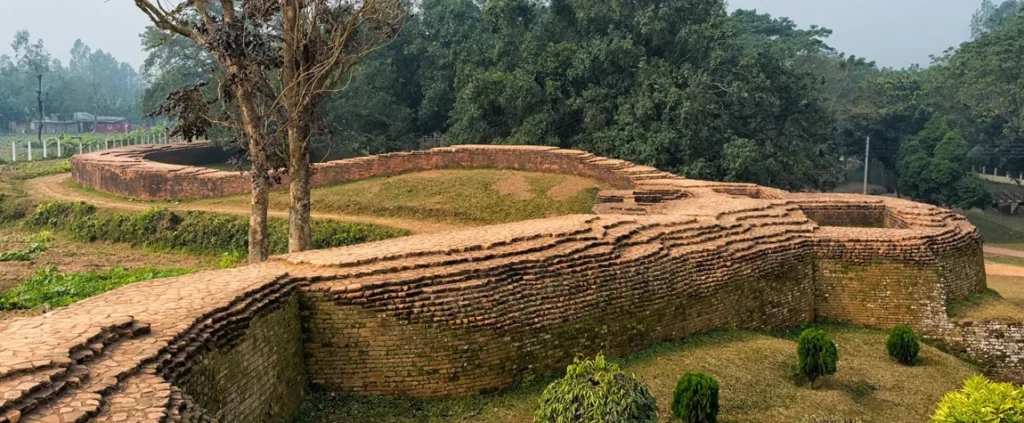
The sheer scale of the citadel walls is awe-inspiring. Rising high above the surrounding plains, these ancient fortifications allowed the city to defend itself for centuries. Walking along the top of these walls offers a panoramic view of the lush green countryside of Bogra.
Govinda Bhita
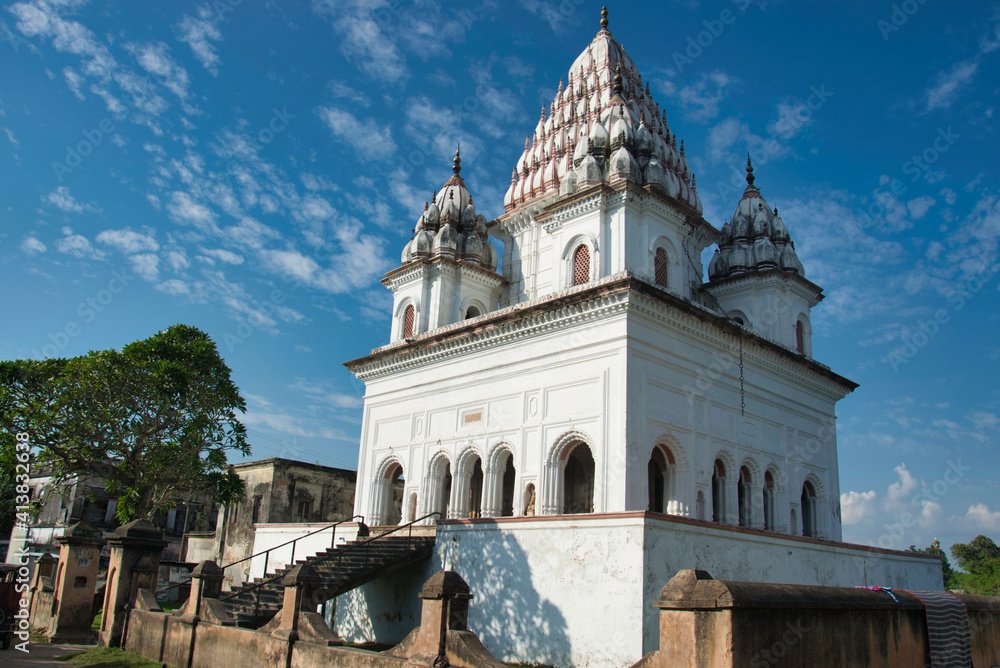
Located just outside the northern rampart of the citadel, Govinda Bhita is a high mound overlooking the river. Excavations here have revealed the remains of two temples. The intricate terracotta art found here speaks volumes about the artistic prowess of the Gupta and Pala eras.
Gokul Medh (Behula’s Nuptial Chamber)
A short distance from the main citadel lies Gokul Medh, locally famous as Behula’r Bashor Ghar (Behula’s Nuptial Chamber). This excavated mound, with its unique honeycomb-like brick structure, is believed to be the base of a high temple or stupa. It is steeped in the folklore of Behula and Lakhindar, adding a layer of myth to the history.
The Legend of Shah Sultan Balkhi Mahisawar
Mahasthangarh is also a sacred site for Muslims. On top of the southeast corner of the citadel stands the Mazar (shrine) of Shah Sultan Balkhi Mahisawar.
Legend says he was a prince from Balkh (modern-day Afghanistan) who renounced his throne to spread Islam. He is known as Mahisawar (Fish Rider) because he is said to have arrived in the land of Pundravardhana riding a giant fish-shaped boat across the river. His shrine attracts thousands of devotees every year, blending the site’s ancient past with living spiritual traditions.
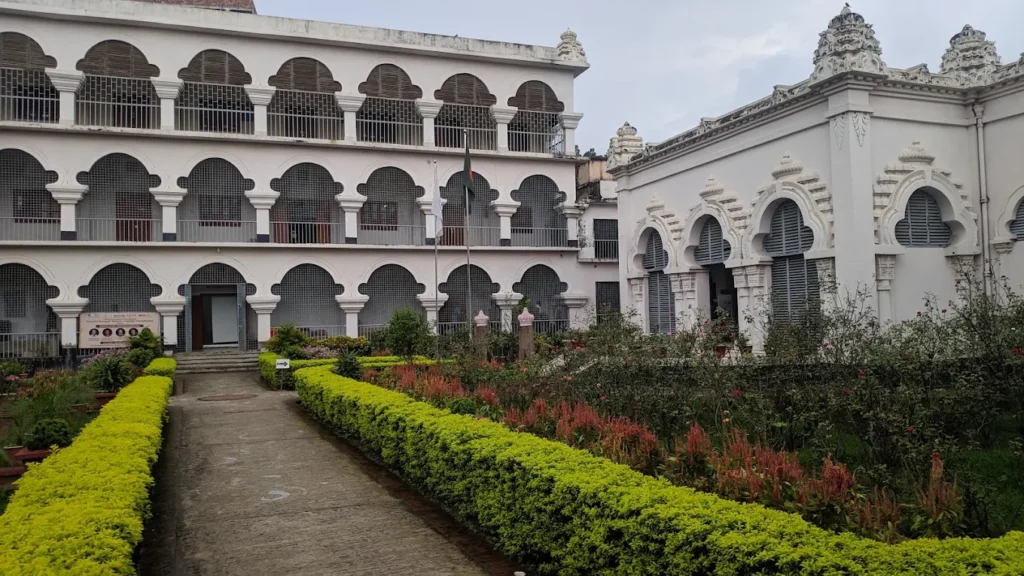
The Mahasthangarh Museum
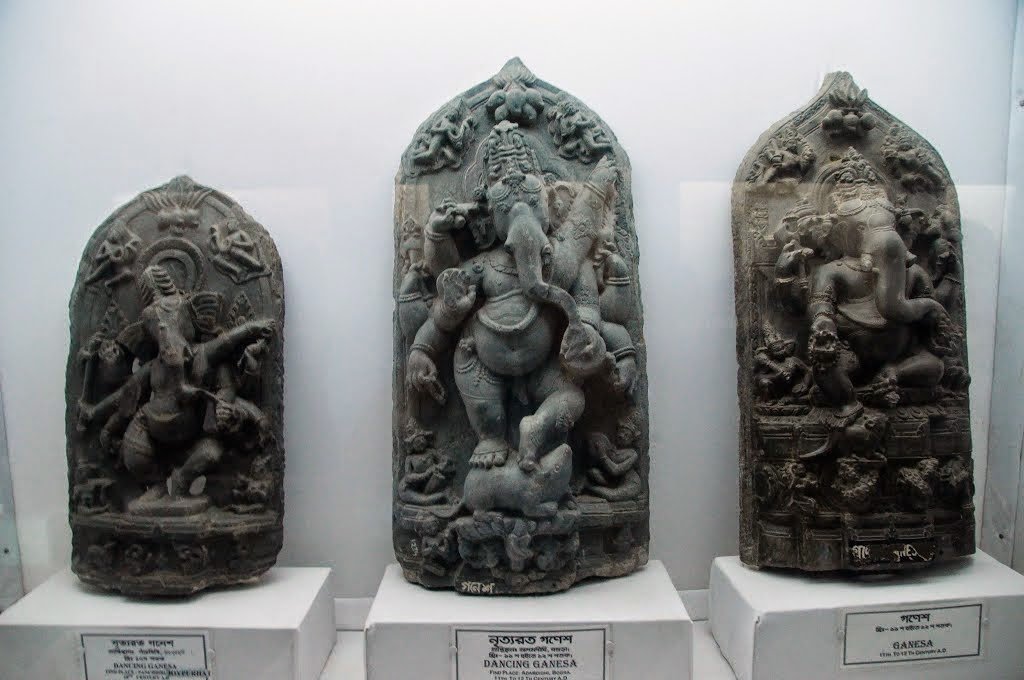
No visit is complete without a stop at the site museum. It houses a treasure trove of artifacts unearthed from the area, including:
- Gold and silver coins from various dynasties.
- Black stone statues of Hindu and Buddhist deities.
- Terracotta plaques depicting everyday life.
- Toys, jewelry, and household items that offer a glimpse into the lives of the ancient citizens of Pundranagara.
A Timeless Connection
For us in Canada, Mahasthangarh serves as a reminder of the depth of our heritage. We come from a land that hosted great civilizations while much of the world was still in darkness.
When was the last time you visited Bogra? Do you remember climbing the Gokul Medh? Share your photos and memories with the CAARU family on our official Facebook page.
And if you want to stay connected with the history and culture of Bangladesh while living in Canada, Become a CAARU Member Today.
- FAQ:
- Q: How old is Mahasthangarh?
- A: Mahasthangarh dates back to at least the 3rd century BC, making it the oldest known urban archaeological site in Bangladesh.
- Q: What was the ancient name of Mahasthangarh?
- A: The ancient name of the city was Pundranagara, which served as the capital of the Pundravardhana province.
- Q: Who is Shah Sultan Balkhi Mahisawar?
- A: He was a saint of royal lineage from Balkh who is believed to have come to Mahasthangarh to preach Islam. His shrine (Mazar) is located within the citadel.
- Q: Where is Mahasthangarh located?
- A: It is located in the Shibganj Upazila of Bogra District, about 11 km north of Bogra town, on the western bank of the Karatoya River.